Spring in Shakopee has a way of showing up in waves. One week you’re thinking about mowing lines and soft topsoil, and the next you’re watching puddles linger in the low spots where last fall’s leaves collected. If you wait until the lawn looks “ready” every time, you’ll usually lose time to compaction, weeds, and uneven growth. The smarter approach is a spring start-up that respects what the ground is doing, not what the calendar says.
I’ve learned to treat early spring like a reset button. You’re not just cleaning up the yard, you’re setting the stage for how grass roots wake up, how water moves, and how fast the first flush of weeds takes hold. Below are practical steps that work well for lawns across Shakopee MN, whether you handle it yourself or coordinate a landscaping service in Shakopee MN.
Start by reading the soil, not the weather app
A lot of spring problems start with one decision: walking on wet ground “just for a minute.” Even if the surface looks fine, soil can be saturated below the top layer. Foot traffic and equipment tracks compact the ground, and compacted soil slows down root growth. That’s when you get thinning in the same areas year after year, the spots that always look a little tired.
The simple check I use is visual and tactile. If the surface looks dark and squishy, and it leaves marks when you step, wait. If you can lightly press a screwdriver or a spade into the soil and it slides in with minimal resistance, you’re close to the right window. If it feels like you’re pushing into firm clay or dense thawed crust, you’ll need more time.
This approach saves you from chasing your tail. When grass is ready, it’s usually ready quickly. When it isn’t, you can damage it without seeing it right away.
Clean-up: what to remove, what to leave, and why
Spring clean-up is where most yards either get a jump start or lose it. The goal is to reduce that layered mess of dead leaves, winter debris, and that old thatch mat without stripping the lawn down to bare dirt.
In Shakopee, the most common clean-up tasks are raking, pulling sticks and branches from mower paths, and clearing leaf piles from slopes. If your yard has trees nearby, you’ll also deal with the “fall-to-spring” debris line along fences and near trunk bases. It’s not glamorous work, but it directly improves airflow and light penetration to the grass.
A quick rule of thumb: remove loose debris, but don’t go digging through healthy turf. If the top layer of the lawn feels spongy and matted, you might need core aeration later, but that’s a different project than spring raking.
When I’m helping a homeowner schedule lawn mowing service Shakopee for the first cut, I tell them to think of clean-up as “opening the canopy.” The lawn doesn’t need to look perfect on day one, it needs to breathe.
The first mowing: height matters more than you think
Once grass starts growing steadily, the first mowing should be done with care. Cutting too low early on stresses the grass when it’s still waking up. In Minnesota conditions, it’s common to see lawns that thin at the start of the season because someone wanted to “get it short” and tidy.
For many cool-season turf grasses, a safe early mowing strategy is to keep the cut higher than you might later in summer. If you mow frequently, you can maintain a clean look without scalping. If you mow less often in spring because of weather swings, you can still protect the lawn by raising the deck and only removing about a third of the grass blade height.
There’s also the equipment angle. Bagging or mulching depends on what you’ve got. If the yard is loaded with debris, bagging the first pass can reduce the mess while you get the turf functioning. After that, mulching with a sharp blade can return fine clippings that break down fairly quickly.
The key is consistency. One carefully done first cut can prevent weeks of uneven growth.
Feeding and weed control: timing is everything
Spring fertilization and weed control are both about matching the lawn’s growth cycle. If you fertilize when the soil is still cold and growth is sluggish, you can end up paying for fertilizer that doesn’t do much right away. If you wait until weeds are thick and mature, you’ll often need heavier intervention.
In Shakopee, lawn growth usually ramps up when soil temperatures rise and rainfall supports active uptake. That’s why many homeowners choose to start with a modest feeding early, then adjust after the lawn shows steady green-up and shoot growth. If you’re unsure, watch the lawn itself. When it turns consistently green and the grass is producing new blades, you’re usually past the “wait” phase.
Weed control is similar, but with an extra layer of judgment. Some weeds respond better to pre-emergent timing, while others require post-emergent treatment based on what’s already growing. If your yard has a known history of crabgrass or broadleaf weeds, treat it like a pattern rather than a surprise.
I’ll be candid here. DIY weed programs can work, but the margin for error is real. If you miss the window, you can waste money or end up with inconsistent results. That’s one reason homeowners lean on a landscaping service in Shakopee MN, especially when they want a coordinated plan that includes mowing frequency, spot treatments, and follow-up.
Soil health: aeration, thatch, and compaction
Even if your lawn looks decent, compaction and thatch can hide under the surface. In spring, the signs show up quickly: uneven color, patchy growth, and dry spots that don’t respond normally to rain.
Aeration is one of the best tools for fixing those root-level issues, but it’s not always a first-week-of-spring job. Aeration makes sense when the lawn is actively growing and can recover. That usually means late spring, sometimes early summer depending on conditions, rather than the first warm day.
Thatch is the other variable. A thin layer is normal, but thick thatch can act like a barrier to water and fertilizer. If you rake and the debris looks like a solid mat and the lawn feels spongy year after year, you may need a more aggressive approach. In many cases, core aeration plus an appropriate fertilization schedule gives better results than constant raking alone.
If your yard sees heavy foot traffic, aeration becomes even more valuable. Many lawns near driveways, paths, and play areas show early compaction because people use the same routes all year.
Water movement: the unglamorous fix that saves your lawn
Shakopee yards vary a lot in slope and drainage. Some properties naturally shed water well, while others have low basins where meltwater collects. If you have puddling that stays for days, the grass there will struggle. You can fertilize and mow correctly, and the lawn still won’t thrive if the roots sit in saturated soil too long.
This is where edging and landscaping details come into play. Sometimes the “lawn problem” is actually a boundary problem. If beds are poorly defined or there’s no clear transition between lawn and soil features, water can pool or run in unexpected directions.
Landscape edging Shakopee MN style improvements often include reinstalling or upgrading edging lines, fixing minor grade transitions near beds, and making sure downspouts or runoff areas drain without undermining the lawn. Even a small adjustment can change how quickly the lawn dries after storms.
If you’re also dealing with beds that creep into the grass line, edging becomes a maintenance tool, not just a visual upgrade.
Leaf lines, mulch rings, and clean bed edges
If you’ve got shrubs, perennials, and mulch beds, spring is the time to restore order. Leaves blow in, mulch settles, and edging lines can get buried. When beds look messy, lawns tend to look worse because visual focus shifts to weeds and bare patches.
One issue I see often is mulch too close to trunks and stems. Mulch piled right against plant crowns can hold moisture where it shouldn’t, and it can create pest and disease stress. In spring, it’s worth checking how mulch is positioned around trees and shrubs.
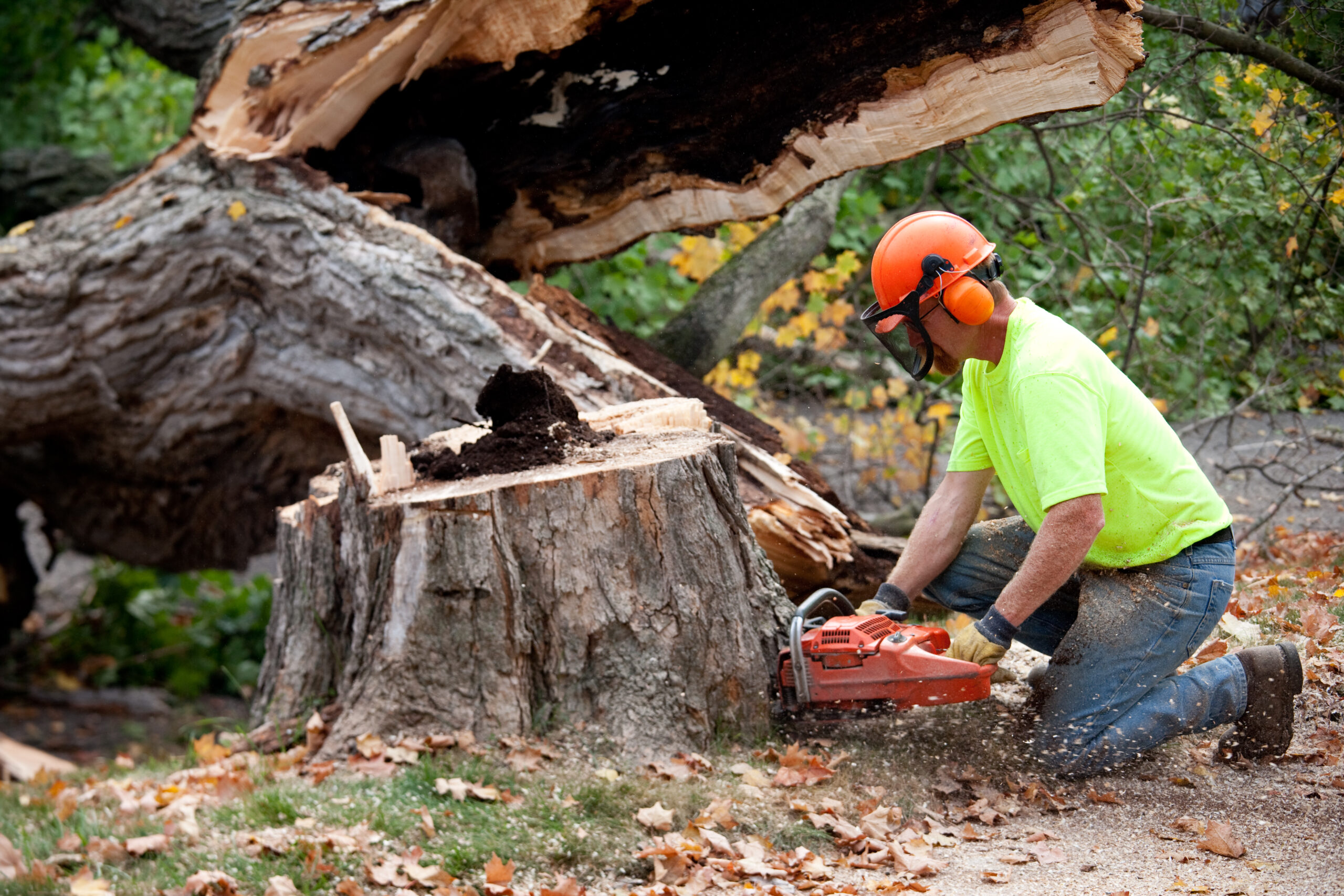
This is also where tree service in Shakopee becomes relevant. If you have overhanging branches that drop early debris or if you’re dealing with damaged limbs from winter, spring is a good time to evaluate what needs attention. A clean canopy improves airflow, and airflow reduces some common lawn edge issues, especially where shade is heavy.
Shade management: mowing differently under trees
Shade is a major factor in spring lawn start-ups. Grass in shaded areas grows slower, and in Minnesota shade lawns often respond better to slightly higher mowing heights and less aggressive mowing schedules.
If you cut the shaded portions too low to match the sunny zones, you’ll thin the turf and invite weeds that like disturbed soil. Instead, let those shaded patches be a little taller between cuts. You can also adjust how you approach fertilization, since shade lawns often have different nutrient demands and slower recovery.
This is one of those “judgment calls” that https://www.google.com/search?kgmid=/g/11v135lpjt separates decent lawns from great ones. A professional lawn mowing plan should treat the yard as multiple microclimates, not a single uniform patch.
The role of landscaping design installation in spring upgrades
Sometimes spring start-up isn’t only about the lawn itself. You might also be dealing with the surrounding structure: beds, pathways, grading transitions, and edging that influences how water flows across the property.
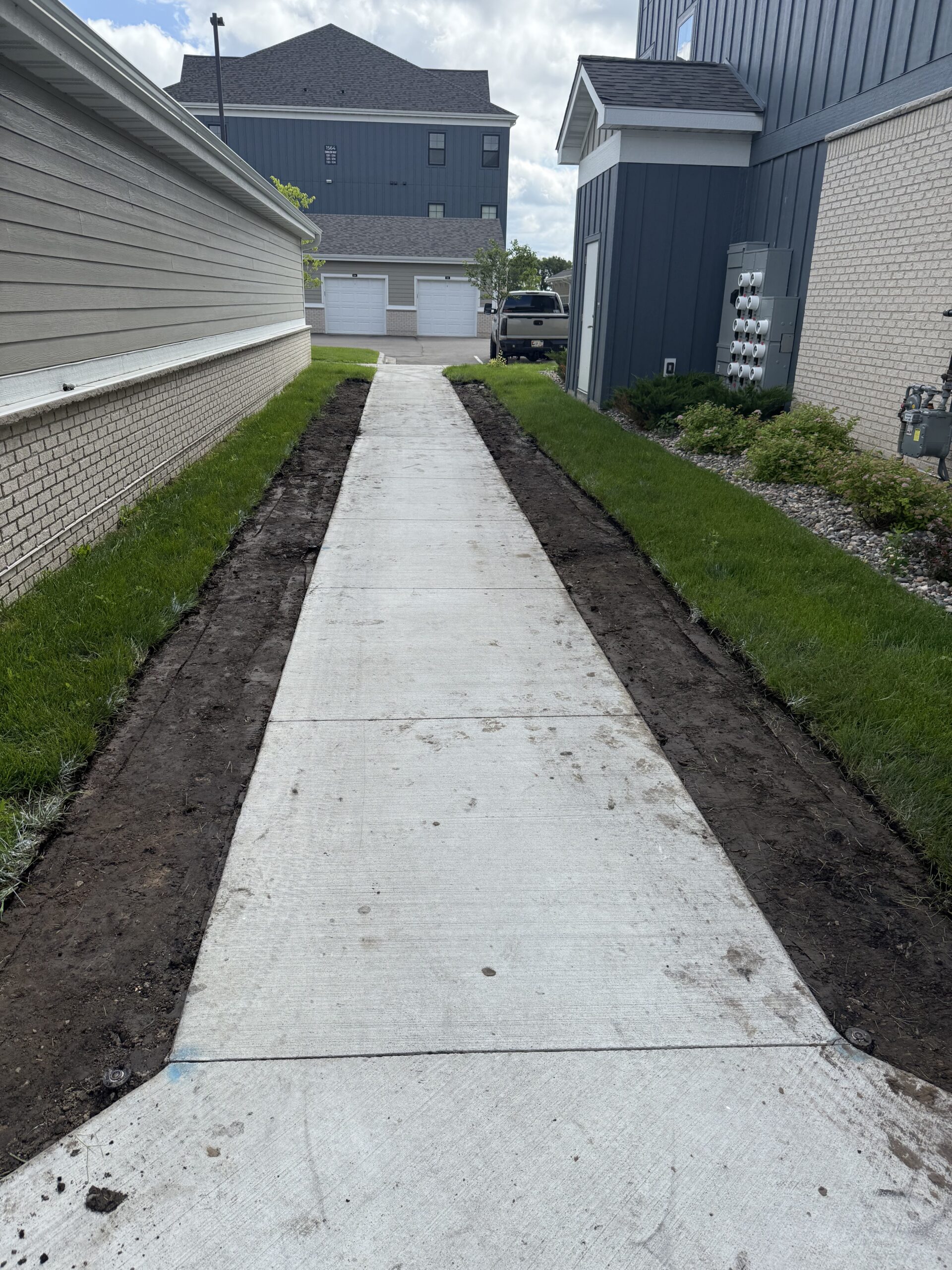
Landscaping design installation Shakopee can make a big difference when you’re trying to reduce long-term maintenance. For example, well-placed edging and properly built borders can stop mulch from washing into the lawn during heavy rain. Similarly, clean installation of steps, walkways, or bed borders can prevent soil from migrating, which leads to uneven growth and constant “re-cleaning.”
If you’re planning upgrades this spring, think about what you want to solve, not just what you want to look better. Do you want fewer weeds at the edges? Cleaner mow lines? Less erosion? Those answers usually point to specific changes like edging materials, bed layout, or drainage adjustments.
A practical spring start-up approach (the part you can actually do)
If you’re looking for an order of operations that doesn’t waste time, here’s the sequence I typically recommend. It’s designed for the common Shakopee pattern of late thaw, quick green-up, and then sudden rain.
1) Walk the yard and mark trouble spots
Look for compaction areas, low spots where water lingers, and mowing obstacles that will make the first cut messy. Mark them mentally or with flags so you don’t forget.2) Rake loose debris and open airflow
Remove leaves, twigs, and obvious dead material. Don’t scalp into the turf.3) Plan the first mowing height higher than later
Wait until grass growth is clear, then mow carefully. Keep it conservative to avoid stress.4) Address weed pressure based on what you see
If weeds are already up, focus on targeted control. If you’re planning a pre-emergent program, timing should match early growth conditions.5) Decide whether aeration is next or later
If you suspect compaction or thick thatch, plan core aeration when the lawn can recover. Don’t force it during the first green-up if soil is still too wet.That sequence reduces rework. It also helps you spot when a bigger project is needed, like drainage correction or edging repairs.
Troubleshooting common spring lawn problems in Shakopee
Spring isn’t the same for every yard, and a few issues come up year after year. The good news is they often have a fix once you diagnose the cause.
Bare patches that spread
Bare patches can be droughty, but in spring they’re often related to compaction, winter injury, or thin turf from shade. If the patch is in a high traffic area, try to reduce foot traffic and adjust mowing practices. If it’s consistently under trees, you may need shade-friendly mowing height and possibly overseeding later when conditions support germination.
Weeds that seem to appear overnight
Weeds love disturbed soil and inconsistent mowing. If your mowing Landscaping service JCJ Landscaping and Snow Removal was delayed, weeds had time to mature. If you see a wave of broadleaf weeds right after green-up, you might need a post-emergent approach or targeted spot treatments, followed by a more consistent mowing and feeding schedule.
Mushy areas and puddles
If water stays for too long, the lawn roots struggle to breathe. This is a drainage and grading problem more than a fertilizer problem. Edging that confines beds and runoff can help, but if puddling is persistent, a longer-term fix like regrading or drainage improvements may be required. This is the sort of yard that benefits from a professional landscaping service in Shakopee MN that can evaluate slopes and water paths.
Uneven growth patterns
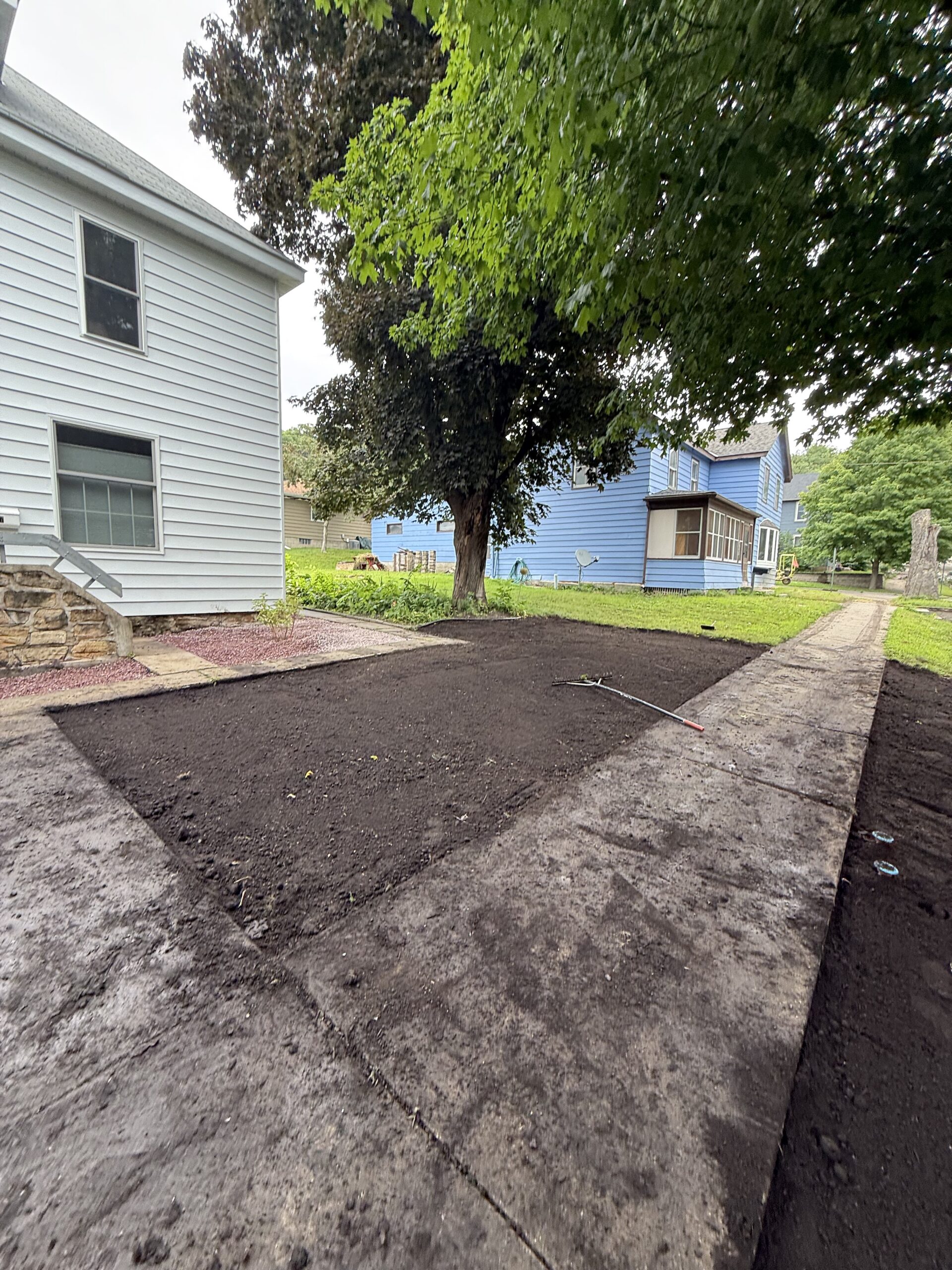
Uneven growth is commonly caused by compaction, inconsistent sunlight, or soil differences. If one side of the yard stays pale while another side greens quickly, don’t assume it’s a “nutrient” issue. Check where snow piled, where people walked, and where soil might have been disturbed by past work.
When to bring in help: lawn service versus DIY
DIY is satisfying when the timing is right and the yard isn’t complicated. But spring work can get messy fast. Wet soil, sudden rain, and the need for repeat passes can stretch a homeowner’s time and create inconsistent results.
A lawn mowing service Shakopee can be a practical safety net because mowing cadence matters. When you mow on schedule, you reduce the opportunity for some weeds to seed, and you help the lawn maintain healthier density. A professional can also adjust mowing height based on what the lawn is doing, which is easier to manage when someone is visiting regularly.
If your yard includes larger concerns like landscape edging repairs, bed cleanup, or drainage-related grading, bringing in a professional landscaping service in Shakopee MN can save time. You’re paying for experience and execution, especially in areas where the lawn is tied into the design, not just surrounded by it.
A short checklist before you call it a day
If you only have a limited weekend for spring start-up, here’s a small checklist to keep the work focused.
- Clear loose debris and leaf lines so the lawn can dry and breathe Mow only after grass shows consistent growth, set the deck higher than later in the season Avoid working the lawn when the soil is squishy or compacting underfoot Inspect shaded areas and adjust mowing expectations there Recheck drainage and edge transitions where water collects or beds creep into grass
Keeping those five items in mind prevents most of the typical spring setbacks.
Final thoughts you can act on this week
Spring start-up in Shakopee MN isn’t about doing everything at once. It’s about making the first moves count. When you give the soil the right conditions, you set your grass up to fill in instead of fight back. When you respect mowing height and avoid compaction, you reduce thinning and patchy growth. When you pay attention to edges, drainage, and the way beds connect to the lawn, you lower the maintenance burden for the rest of the season.
If you want a more tailored plan, especially if you’re dealing with recurring bare spots, drainage quirks, or mature tree shade, that’s the moment to bring in a professional. Landscaping design installation Shakopee and the broader landscaping expertise behind a landscaping service in Shakopee MN can turn scattered fixes into a coherent plan, including landscape edging Shakopee MN improvements and tree-related care when needed.
JCJ Landscaping and Snow Removal
7 West Travelers Trail, Unit 391, Burnsville, MN(55337)
(952) 649-6655
[email protected]
Website: https://jcjpropertymaintenance.com